
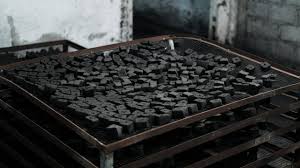
As the world shifts toward renewable energy sources, industries and households are searching for cleaner, more sustainable fuels to replace traditional wood and fossil fuels. One innovation gaining global attention is green briquette energy production, a process that transforms natural biomass waste into efficient, eco-friendly fuel. This approach not only reduces environmental damage but also creates a valuable energy source for communities and businesses worldwide.
What Is Green Briquette Energy Production?
Green briquette energy production refers to the process of converting agricultural waste, such as coconut shells, rice husks, or sawdust, into compressed charcoal briquettes. These briquettes act as sustainable fuel alternatives that burn efficiently with minimal environmental impact.
The production process typically involves:
-
Carbonization – Heating raw biomass, like coconut shells, in a low-oxygen environment to create high-quality charcoal.
-
Crushing and Mixing – Grinding the charcoal into powder and mixing it with natural binders.
-
Compression – Compressing the mixture into solid briquettes under high pressure.
-
Drying – Ensuring the briquettes are durable and long-lasting through proper drying.
By recycling waste into renewable energy, briquette production directly supports sustainability while meeting the growing demand for affordable, clean-burning fuel.
Advantages of Green Briquette Energy
-
Eco-Friendly Fuel Source
Briquettes reduce reliance on firewood, helping to minimize deforestation and greenhouse gas emissions. -
Efficient Burning
High-quality briquettes provide steady heat, longer burning times, and reduced smoke compared to traditional charcoal. -
Cost Savings
With their long lifespan and consistent heat output, briquettes are economical for households and businesses. -
Resource Optimization
Instead of discarding agricultural by-products, briquette production turns them into valuable renewable energy. -
Job Creation
In countries with abundant biomass resources, briquette production provides income opportunities and supports local economies.
Coconut Shells as a Key Resource
Coconut shells are among the most widely used raw materials in green briquette energy production due to their high density and carbon content. They provide:
-
Higher heat efficiency compared to wood charcoal.
-
Cleaner combustion, producing less smoke and odor.
-
Sustainability, as coconuts are harvested regularly, ensuring a continuous supply of shells.
For more details about renewable fuel innovation, visit green energy briquette production.
Global Demand for Briquettes
The demand for sustainable briquette fuel is rapidly increasing in international markets. Europe, North America, and the Middle East are leading importers, driven by consumer demand for eco-friendly and renewable energy solutions.
Exporting countries with abundant coconut and agricultural resources, such as Indonesia, are well-positioned to supply this growing market. By focusing on green briquette energy production, these nations are contributing to global climate goals while expanding their economic opportunities.
The Future of Green Briquette Energy
As renewable energy adoption grows, briquettes will continue to play a critical role in reducing environmental pressure. Technological innovations are making production more efficient, while global awareness of climate change is increasing demand.
The future will likely see briquettes becoming a standard energy source for:
-
Household cooking and heating
-
Restaurant and BBQ use
-
Industrial boilers and kilns
By promoting sustainability and reducing carbon emissions, briquette energy production helps transition the world toward a cleaner and greener energy system.
Conclusion
Green briquette energy production is more than just an alternative fuel—it is a sustainable solution for global energy needs. By converting agricultural waste like coconut shells into eco-friendly briquettes, this process helps fight deforestation, reduces emissions, and supports renewable energy goals.
As the world seeks cleaner energy pathways, briquettes are proving to be a reliable, affordable, and environmentally responsible choice for both local use and international markets. The widespread adoption of green briquettes marks a significant step toward a sustainable and energy-secure future.