
Borobudur Photography Travel Guide: Capture Central Java Beautifully
A Borobudur Photography Travel Guide helps you capture the temple with patience, respect, and a clear plan. Borobudur offers detailed reliefs, graceful stupas, volcanic scenery, and changing light. Great photographs come from observation, not from rushing through the complex. Give yourself time to notice each angle.
The temple stands in Central Java, around 40 kilometers northwest of Yogyakarta. Many photographers stay in Yogyakarta and travel early to Borobudur. The drive usually takes 60 to 90 minutes. Arrange transport that allows enough time before your entry session.
Sailendra rulers built the monument during the ninth century. Its stone levels rise toward circular terraces and bell-shaped stupas. The carvings along the walls offer endless detail for close images. Wider viewpoints can show the monument within its natural setting.
Choose the Best Light and Time
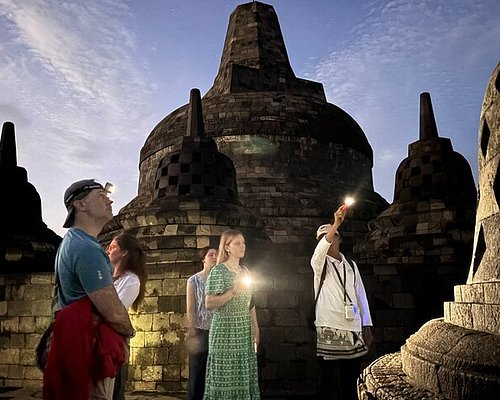
Early morning often offers softer light and cooler temperatures. It can also provide a calmer atmosphere for architectural details. Sunrise experiences require a very early departure and advance preparation. Regular morning entry can still provide rewarding conditions.
Late afternoon can create warm light and deeper shadows across the stone surfaces. Midday sun often creates stronger contrast and harsher light. Use shade, texture, and close details when the sun feels high. Adjust your expectations to the available conditions.
Study this Borobudur sunrise and weather photography guide before you choose a date. It can help you compare seasons, crowds, and travel timing. Check the latest forecast close to your visit. Clouds can add mood, even when they hide the sun.
Plan Your Photography Approach
Decide what images matter most before you arrive. You may want wide shots of stupas, close relief details, traveler portraits, or views toward the hills. A simple shot list can help you use your time wisely. Leave room for unexpected moments too.
Walk slowly and look for repeating forms, leading lines, and changing shadows. The reliefs can tell powerful stories in close-up photographs. The upper terraces can offer wider compositions. Try several angles without blocking other visitors.
Bring only gear that you can carry comfortably. A camera, spare battery, memory card, and cloth can cover most needs. Use a secure bag to protect equipment. A lightweight rain cover can help during wet conditions.
Respect the Temple and Other Visitors
Borobudur is a protected cultural monument and an important spiritual place. Follow staff directions and stay on open routes. Do not touch the reliefs, climb on structures, or enter restricted areas. Respectful behavior protects the site and improves everyone’s visit.
Avoid crowding people for a photograph. Ask permission before taking close images of local residents, guides, or worshippers. Lower your voice in quiet areas. A thoughtful photographer captures both beauty and context.
Build a Broader Photo Journey
Add Mendut Temple or Pawon Temple for different architectural details. A village stop can offer scenes of craft, food, and rural life. Mount Merapi or Prambanan Temple can expand your visual story. Choose fewer locations if you want more shooting time.
Explore custom Borobudur photography tours for transport support, flexible timing, and nearby photo stops. A local team can reduce logistical distractions. You can concentrate on light, composition, and the experience.
A Borobudur Photography Travel Guide gives you a stronger creative plan. Arrive prepared, work with the weather, and respect the setting. Your photographs can then reflect both the monument’s beauty and its deeper cultural meaning.
